When you’ve invested significant time and resources into developing your printed circuit board assembly (PCBA), the final packaging and shipping stage often becomes an afterthought. Yet, this is precisely where many projects encounter preventable damage, costing companies thousands in repairs, returns, and missed deadlines.
**Why PCBA Packaging Demands Serious Attention**
Electronic assemblies face multiple hazards during transit:
– **ESD (Electrostatic Discharge)**: Can instantly destroy sensitive components
– **Mechanical Stress**: Vibration and impacts can crack solder joints or components
– **Moisture Ingress**: Causes corrosion and long-term reliability issues
– **Contamination**: Dust, debris, and chemical exposure affect performance
Understanding your packaging options ensures your products arrive in perfect condition, ready for installation or further assembly.
**Common PCBA Packaging Methods: Pros and Cons**
**1. Bubble Wrap Bags**
The most basic packaging solution, often used for non-critical or commercial-grade electronics.
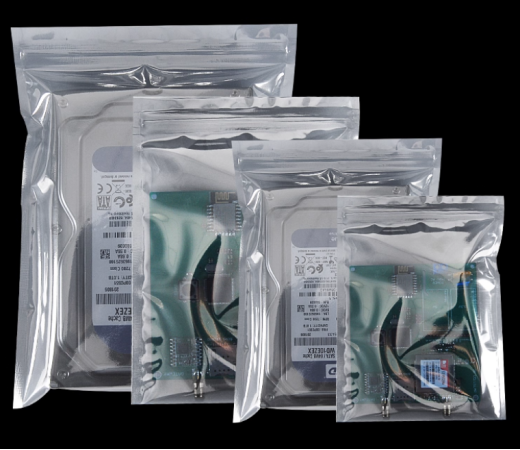
These silver-colored bags provide comprehensive protection for sensitive electronics.
*Advanced Protection*:
– **ESD shielding** through metallic layer
– **EMI/RFI protection** from electromagnetic interference
– **Moisture barrier** properties
*Ideal For*:
– High-frequency and RF circuits
– Sensitive communication equipment
– Long-distance shipping with varying environmental conditions
**4. Vacuum-Sealed Metallic Bags**
The ultimate protection for moisture-sensitive devices.
*Critical Features*:
– **Complete moisture barrier** when vacuum-sealed
– **ESD and EMI protection**
– **Prevents oxidation** during extended storage
*Essential For*:
– **MSD (Moisture Sensitive Devices)** per JEDEC standards
– **Long-term storage** requirements
– **Marine or high-humidity** environment shipping
**5. Custom Boxes with Dividers and Inserts**
For high-value assemblies or complete products requiring maximum protection.
*Configuration Options*:
– **Foam inserts** with custom-cut cavities
– **Cardboard dividers** for multiple PCBA panels
– **Edge protectors** for connector safety
– **Stacking limitations** to prevent crushing
*Perfect For*:
– **Multiple board shipments**
– **Finished products** with displays or fragile components
– **International shipping** with extensive handling
**The Hidden Costs of Inadequate Packaging**
Many companies discover packaging issues only after experiencing costly failures:
**Case Study 1: The ESD Disaster**
A manufacturer shipped 200 controller boards using standard bubble wrap. Upon arrival, 30% failed basic functionality tests. Investigation revealed ESD damage from the packaging material itself. The cost: $15,000 in replacements plus two-week delivery delay.
**Case Study 2: The Moisture Catastrophe**
Industrial sensors shipped to a tropical region arrived with corroded connectors and white residue on PCB surfaces. The standard anti-static bags provided no moisture protection. Total loss: $45,000 plus damaged customer relationship.
**Creating Your Packaging Specification**
Don’t leave packaging decisions to chance. Include clear packaging requirements in your manufacturing agreement:
Experienced manufacturers understand packaging requirements, but they need your specific guidance:
**Key Questions to Ask Your CM:**
1. “What is your standard PCBA packaging protocol?”
2. “Do you have different packaging tiers available?”
3. “Can you provide packaging samples for evaluation?”
4. “What is the cost difference between packaging options?”
5. “Do you conduct package testing (drop tests, vibration tests)?”
**Special Considerations for Unique Applications**
**Medical and Automotive Electronics:**
– Often require **traceable packaging materials**
– May need **cleanroom packaging** environments
– Typically demand **certified packaging processes**
**High-Volume Consumer Electronics:**
– Balance **protection with cost efficiency**
– Consider **environmental impact** of packaging materials
– Plan for **retail-ready packaging** when applicable
**Conclusion: Package with Purpose**
Your PCBA packaging strategy should match the value and sensitivity of your products. While basic bubble wrap might suffice for simple internal transfers, critical shipments demand proper ESD and moisture protection.
The small additional investment in appropriate packaging pays significant dividends through:
– **Reduced failure rates**
– **Lower return and repair costs**
– **Enhanced customer satisfaction**
– **Stronger brand reputation**
Remember: The safest shipment is one where packaging receives the same careful consideration as design and manufacturing. Consult with your contract manufacturer about packaging options early in the process, and ensure your specifications leave no room for ambiguity.
**Ready to optimize your PCBA packaging?** Start by evaluating your current packaging against these guidelines, and discuss specific requirements with your manufacturing partner during your next project kickoff meeting.